Free shipping on orders over $100
Leaving your plants behind during the holidays can be pretty stressful! If you're a plant parent getting ready to hit the road, you might be worried about coming back to sad or dead plants. With a few simple tricks up your sleeve, you can make sure your plant babies stay happy and healthy while you're out spreading holiday cheer.
1. Thoroughly water your plants before departure: Give each plant a deep, thorough watering within 24 hours before you leave. This ensures the soil is completely saturated but not waterlogged, providing a good moisture reserve for your plants while you're away. Pay special attention and bottom water the plants that typically need more water.

2. Move the plants away from direct sunlight and heat source: Relocate your plants to a spot with indirect light away from the heater to prevent excessive water evaporation. Direct sun and heat exposure can quickly dry out the soil and stress your plants, especially when you're not there to monitor their condition. An ideal location would be a few feet away from north or east-facing windows.

3. Create a mini greenhouse for smaller plants: For your compact plants, use a clear plastic container or box with a lid to create a humid, terrarium-like environment. This helps maintain moisture levels and creates a stable microclimate. Make sure to leave the lid slightly ajar to prevent excess condensation and mold growth.

4. Install a DIY self-watering system: Create a simple but effective watering solution using cotton string or rope as wicks. Place one end of the cotton wick in the plant's soil and the other end in a container of water placed slightly above the plant. The wick will slowly draw water to the soil as needed, maintaining consistent moisture levels during your absence.

If you're planning to be away for more than 2 weeks and have a large plant collection, consider our plant-sitting service. Amber or Flor will visit your home on a customized schedule to water, monitor, and care for your plants. They'll check soil moisture, water, take care of pests, and send you photo updates of your plants. Contact us at service@plantcornernyc.com a week before your departure to schedule this service.
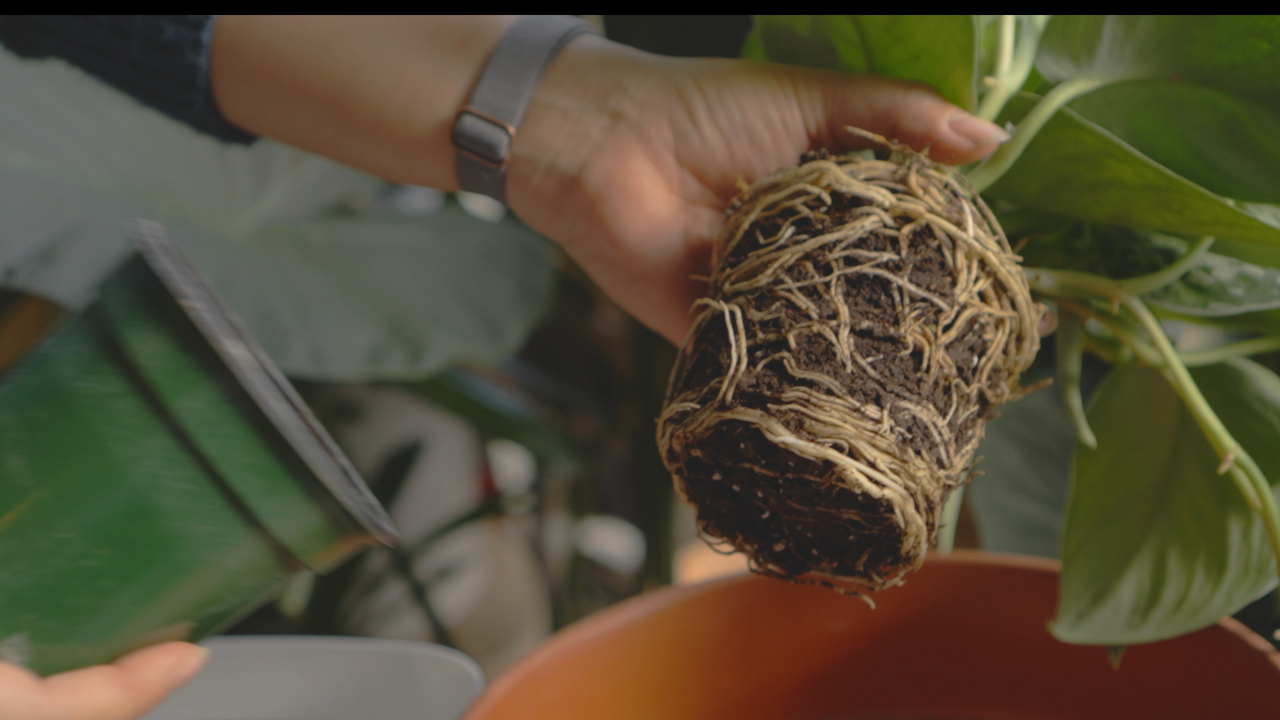
Repotting your beloved houseplants can be a daunting task. While the intention is often to promote growth and rejuvenate the plant, sometimes the results can be disheartening. It's not uncommon for plants to struggle or even die after being repotted, leaving many of us wondering where we went wrong. Let's delve into the top five reasons why plants might decline after you repot them, and how to remedy them for future repotting endeavors.
Choosing the right pot size is crucial when repotting a plant. While it may be tempting to upgrade to a larger container, especially if the plant seems cramped, going too big too soon can cause excessive trauma. When a plant is placed in a pot that's excessively large, it can lead to waterlogging and stagnant soil, depriving the roots of essential oxygen. This can result in root rot, which will slowly kill the plant. It's better to opt for a pot that's just slightly larger than the current one to allow for gradual growth.
Timing is everything when it comes to repotting. While it's essential to keep an eye on your plant's growth and root health, repotting too early can shock the plant and may adversely affect your plants growth. You will know your plant is ready for a new home when the roots have completely filled up the current pot it's housed in. If the roots of your plant have not completely filled the current pot, repotting at this point will cause unnecessary trauma.
After repotting, it's essential to adjust your watering schedule to accommodate the plant's changing needs. Newly repotted plants may require less frequent watering initially as they adjust to their new home. Overwatering is a common mistake made after repotting, as plant parents often continue their usual watering routine without considering the plant's altered root system. Monitor the plant closely and adjust watering frequency as needed, allowing the soil to partially dry out between waterings to prevent root rot.
During the repotting process, roots can become damaged or disturbed, compromising the plant's ability to absorb water and nutrients. Careful handling is essential to minimize root damage, as most plants root systems are very fragile. To mitigate the risk, avoid rough handling such as ripping apart the root ball. Consider using a root stimulant to encourage root growth and minimize transplant shock. Additionally, inspect the plant's roots before repotting to identify any signs of damage or disease that may require attention.
The type of soil or substrate used during repotting can have a significant impact on the plant's health and vitality. Using the wrong substrate, such as one that retains too much moisture or lacks adequate drainage, can suffocate the roots and lead to root rot. Most houseplants will enjoy a well-draining potting mix with components that facilitate moisture retention, aeration, and nutrient content. Avoid using garden soil or heavy clay-based mixes, as these can lead to compaction and drainage issues over time.
In conclusion, while repotting can be beneficial for plants, it's essential to approach the process with care and consideration. By avoiding these common mistakes and taking the time to assess your plant's individual needs, you can increase the likelihood of a successful repotting experience and ensure the continued health of your beloved green companions.
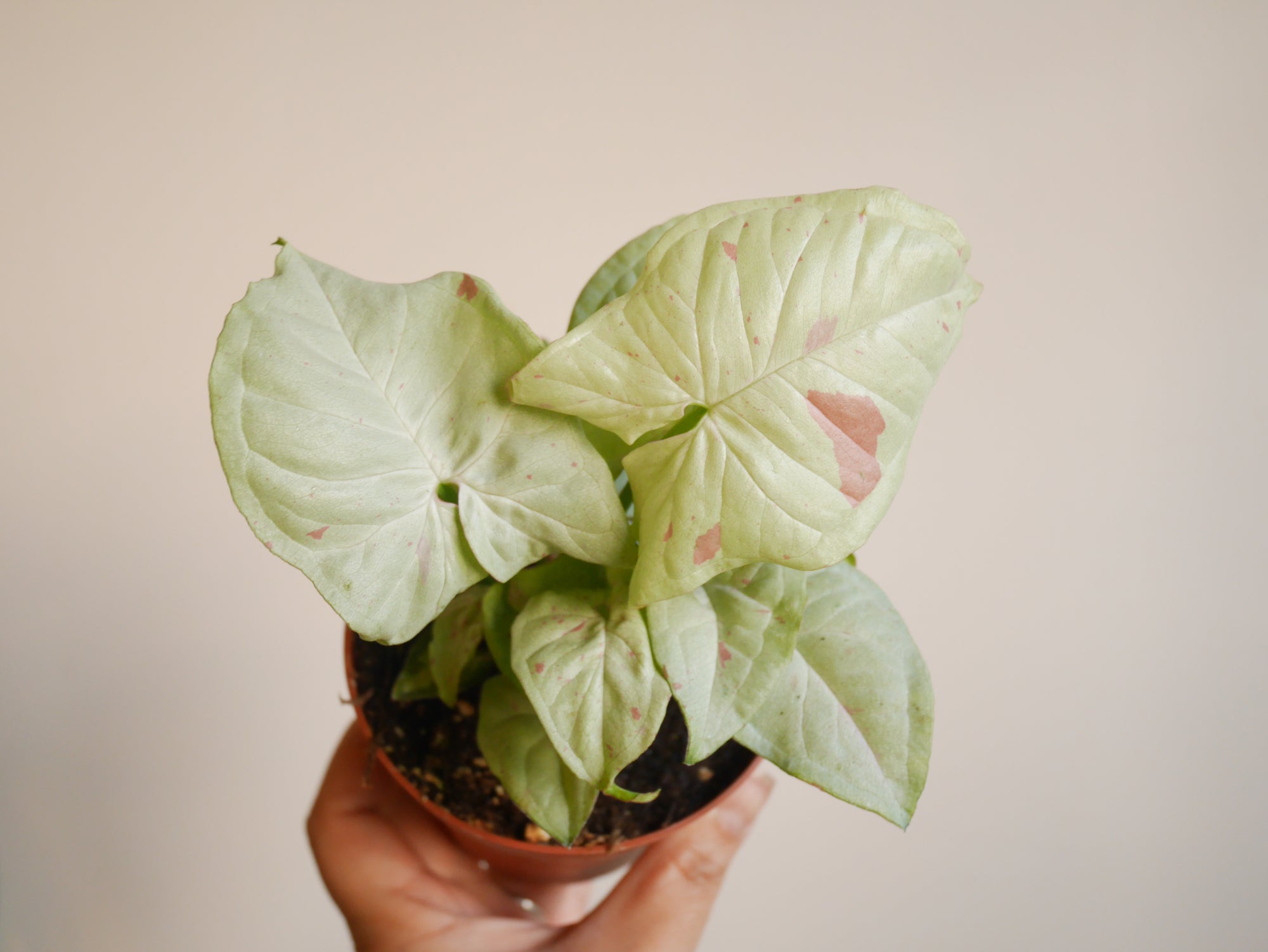
Syngonium, also known as Arrowhead Vine, is a popular houseplant with attractive foliage. Here are some care tips to help you keep your Syngonium healthy:
Lighting
Syngonium plants prefer bright, indirect light. They can tolerate lower light conditions, but their growth may slow down and the variegation may fade. Avoid exposing them to direct sunlight, as it can scorch their leaves. Place your Syngonium near a window with filtered light or in a well-lit area of your home.
Temperature
Syngonium plants prefer average to warm temperatures between 60°F to 85°F (15°C to 29°C). They can tolerate slightly cooler temperatures but should be kept away from drafts or cold air from windows or doors.
Watering
Water your Syngonium when the top few inches of the soil feel dry. It is better to underwater than to overwater, as Syngonium plants are more tolerant of dry conditions. Ensure that the pot has drainage holes to prevent waterlogging. Reduce watering frequency during the winter months when the plant's growth slows down.
Soil and Potting
Use a well-draining potting mix for your Syngonium. A mixture of peat moss, perlite, and compost or orchid bark works well. Repot your Syngonium every one to two years or when it becomes root-bound, using a pot that is slightly larger than the current one.
Humidity
Syngonium plants appreciate moderate to high humidity levels. If the air in your home is dry, increase humidity by using a humidifier, placing the plant on a pebble tray filled with water, or grouping it with other plants.
Fertilization
Feed your Syngonium with a balanced, water-soluble houseplant fertilizer every time you water during the growing season (spring and summer). Dilute the fertilizer to half the recommended strength. Reduce or stop fertilizing during the winter months when the plant's growth slows down.
Pruning
Prune your Syngonium to control its size, shape, and encourage bushier growth. Regular pruning also helps remove any leggy or yellowing stems. You can trim the vines back to your desired length using clean, sharp pruning shears.
Propagation
Syngonium plants can be easily propagated through stem cuttings. Take a cutting just below a node and place it in water or a well-draining potting mix. New roots will develop, and you can then transfer the cutting to a pot.
Pest Control
Syngonium plants are generally resistant to pests but can occasionally attract spider mites or mealybugs. Regularly inspect your plant for signs of infestation, such as webbing, tiny insects, or white cotton-like clusters. If detected, treat the infestation promptly with an appropriate insecticidal soap or neem oil spray.
By following these care tips, you can enjoy a thriving and beautiful Syngonium plant in your home. Remember to adjust care based on your specific plant's needs and conditions.


