Free shipping on orders over $100
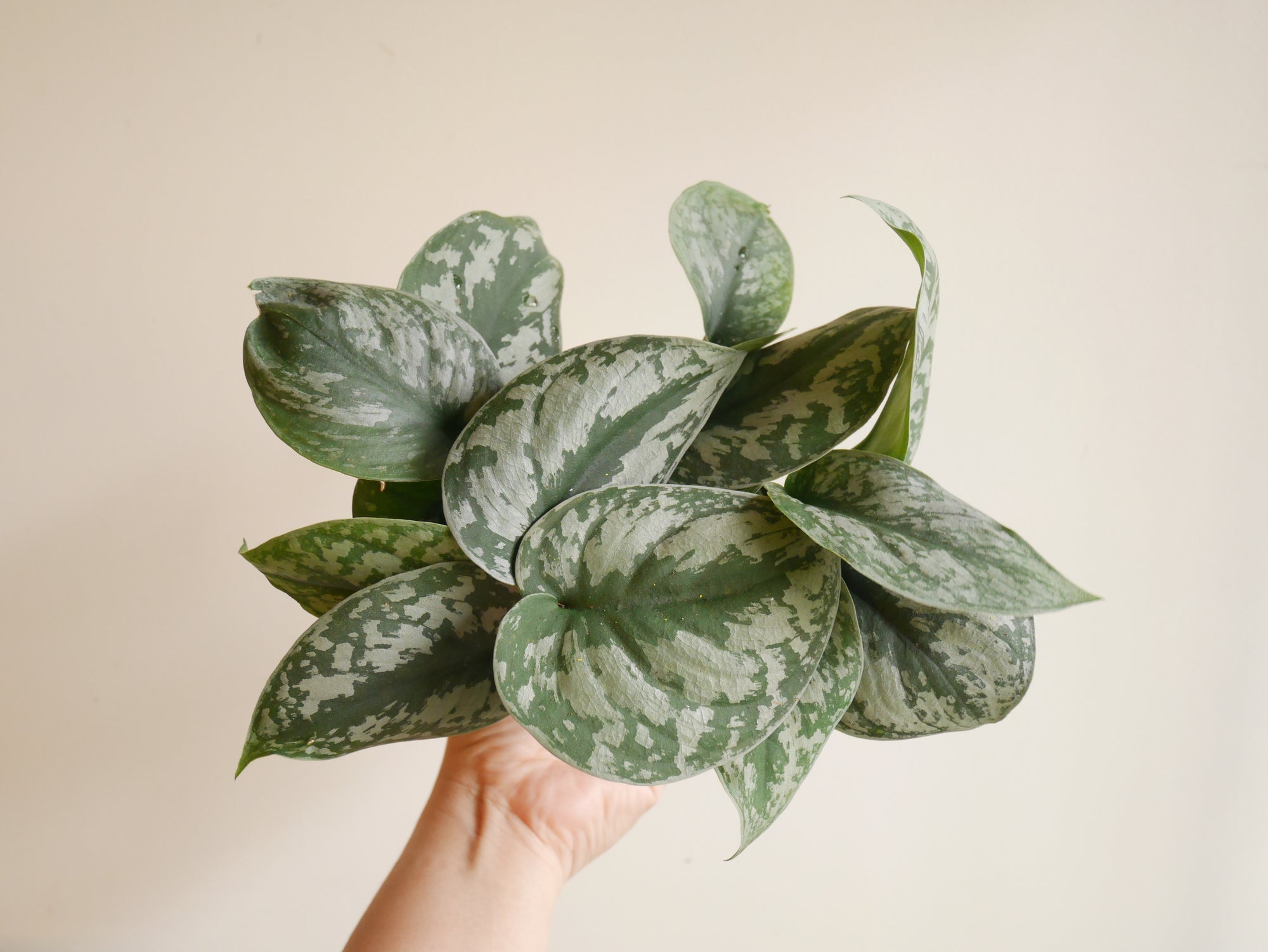
Scindapsus, also known as Satin Pothos, is a popular trailing houseplant known for its beautiful, variegated leaves. It is relatively easy to care for and can thrive in various indoor conditions. Here are some care tips for Scindapsus:
Lighting
Scindapsus plants can tolerate a range of light conditions but prefer bright, indirect light. They can also adapt to low-light conditions, although their growth may slow down and the variegation may fade. Avoid exposing them to direct sunlight, as it can scorch their leaves. Place your Scindapsus near a window with filtered light or in a well-lit area of your home.
Temperature
Scindapsus plants prefer average to warm temperatures between 60°F to 85°F (15°C to 29°C). They can tolerate slightly cooler temperatures but should be kept away from drafts or cold air from windows or doors.
Watering
Allow the soil to dry out slightly between waterings to avoid overwatering. Scindapsus' leaves will curl when they are thirsty. It is better to underwater than to overwater, as they are more tolerant of dry conditions. Ensure that the pot has drainage holes to prevent waterlogging. Reduce watering frequency during the winter months when the plant's growth slows down.
Soil and Potting
Use a well-draining potting mix for your Scindapsus. A mixture of peat moss, perlite, and compost or orchid bark works well. Repot your Scindapsus every one to two years or when it becomes root-bound, using a pot that is slightly larger than the current one.
Humidity
Scindapsus plants can tolerate a range of humidity levels but appreciate moderate to high humidity. If the air in your home is dry, increase humidity by using a humidifier, placing the plant on a pebble tray filled with water, or grouping it with other plants.
Fertilization
Feed your Scindapsus with a balanced, water-soluble houseplant fertilizer every time you water during the growing season (spring and summer). Dilute the fertilizer to half the recommended strength. Reduce or stop fertilizing during the winter months when the plant's growth slows down.
Pruning
Prune your Scindapsus to control its size, shape, and encourage bushier growth. Regular pruning also helps remove any leggy or yellowing stems. You can trim the vines back to your desired length using clean, sharp pruning shears.
Propagation
Scindapsus plants are easy to propagate through stem cuttings. Take a cutting just below a node and place it in water or a well-draining potting mix. New roots will develop, and you can then transfer the cutting to a pot.
Pest Control
Scindapsus plants are generally resistant to pests but can occasionally attract spider mites or mealybugs. Regularly inspect your plant for signs of infestation, such as webbing, tiny insects, or white cotton-like clusters. If detected, treat the infestation promptly with an appropriate insecticidal soap or neem oil spray.
By following these care tips, you can enjoy a thriving and beautiful Scindapsus plant in your home. Remember to adjust care based on your specific plant's needs and conditions.
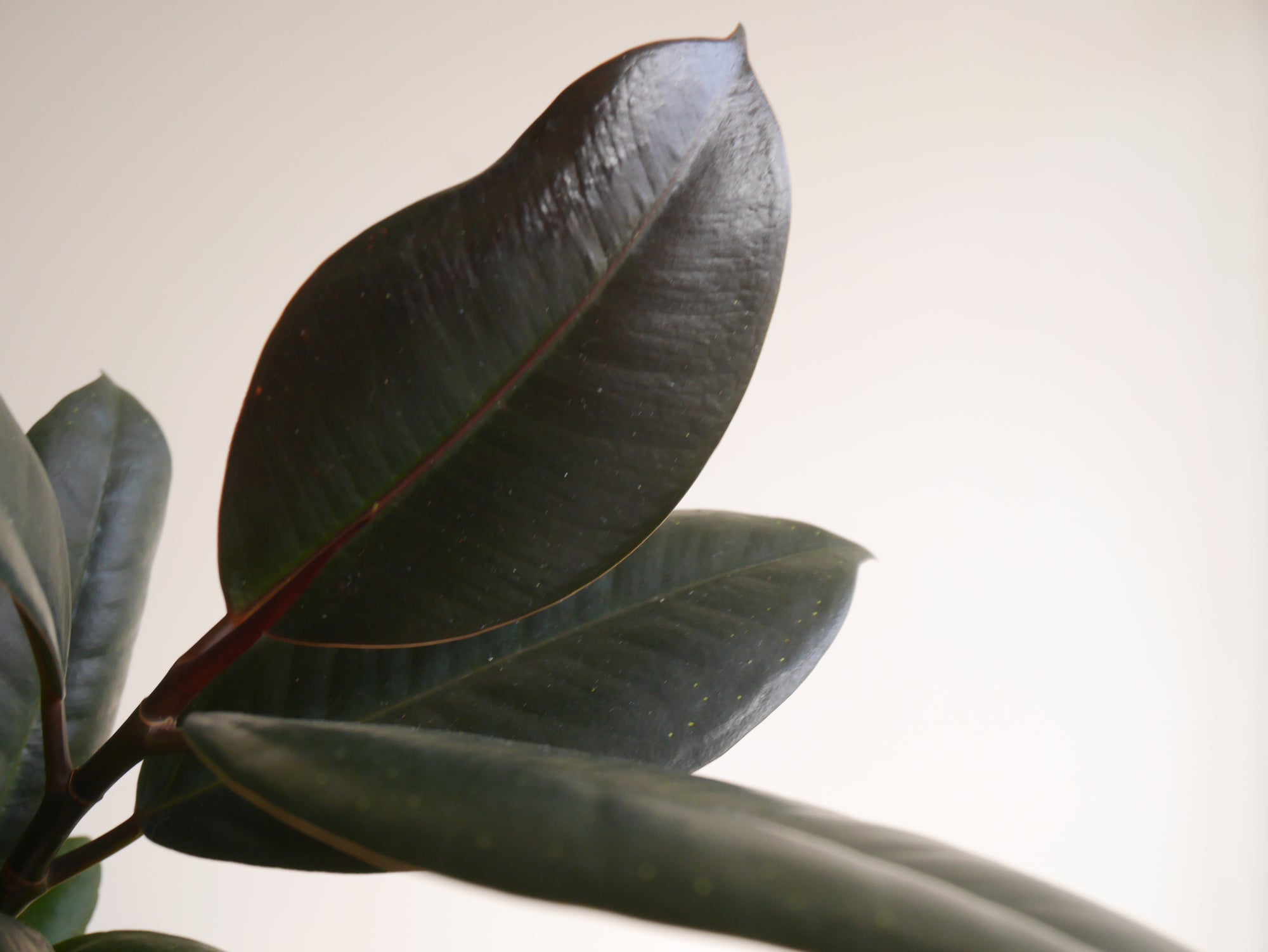
Ficus plants, which include popular varieties like the Ficus Lyrata (Fiddle Leaf Fig) and Ficus elastica (Rubber Plant), are indoor trees known for their attractive foliage. Here are some care tips to help you keep your Ficus plant healthy:
Lighting
Ficus plants prefer bright, indirect light. They can tolerate some direct sunlight, especially in the morning or evening, but prolonged exposure to intense sunlight can scorch their leaves. Place your Ficus near a window with bright indirect light, such as an east or west-facing window. Rotate the plant occasionally to ensure even growth.
Temperature
Ficus plants prefer average to warm temperatures between 60°F to 85°F. Avoid exposing them to temperatures below 55°F (13°C), as it can cause leaf drop. Keep them away from drafts, such as open windows or heating vents, which can lead to stress and leaf loss.
Watering
Water your Ficus when the soil dried out almost completely. Water thoroughly, allowing excess water to drain out from the bottom of the pot. Avoid overwatering, as Ficus plants are susceptible to root rot. Ensure that the pot has drainage holes to prevent waterlogging. Reduce watering frequency during the winter months when the plant's growth slows down.
Soil and Potting
Use a well-draining potting mix for your Ficus. A mixture of peat moss, perlite, and compost or orchid bark works well. Repot your Ficus every two to three years or when it becomes root-bound, using a pot that is slightly larger than the current one. Avoid repotting into a pot that is too large, as it can hold excess moisture and lead to root rot.
Humidity
Ficus plants prefer moderate to high humidity levels. Increase humidity around your Ficus by using a humidifier, placing the plant on a pebble tray filled with water, or grouping it with other plants.
Fertilization
Feed your Ficus with a balanced, water-soluble houseplant fertilizer every four to six weeks during the growing season (spring and summer). Dilute the fertilizer to half the recommended strength. Reduce or stop fertilizing during the winter months when the plant's growth slows down.
Pruning
Prune your Ficus to maintain its shape and remove any dead, damaged, or crowded branches. You can also trim the top growth to encourage bushier growth. Use clean, sharp pruning shears to make clean cuts. Avoid excessive pruning, as Ficus plants can be sensitive to drastic changes.
Pest Control
Ficus plants can be prone to pests such as spider mites and mealybugs. Regularly inspect your plant for signs of infestation, including webbing, tiny insects, or white cotton-like clusters. Treat any infestations promptly with an appropriate insecticidal soap or neem oil spray.
By following these care tips, you can enjoy a healthy and lush Ficus plant. Remember to observe your plant closely and adjust care based on its specific needs and conditions.
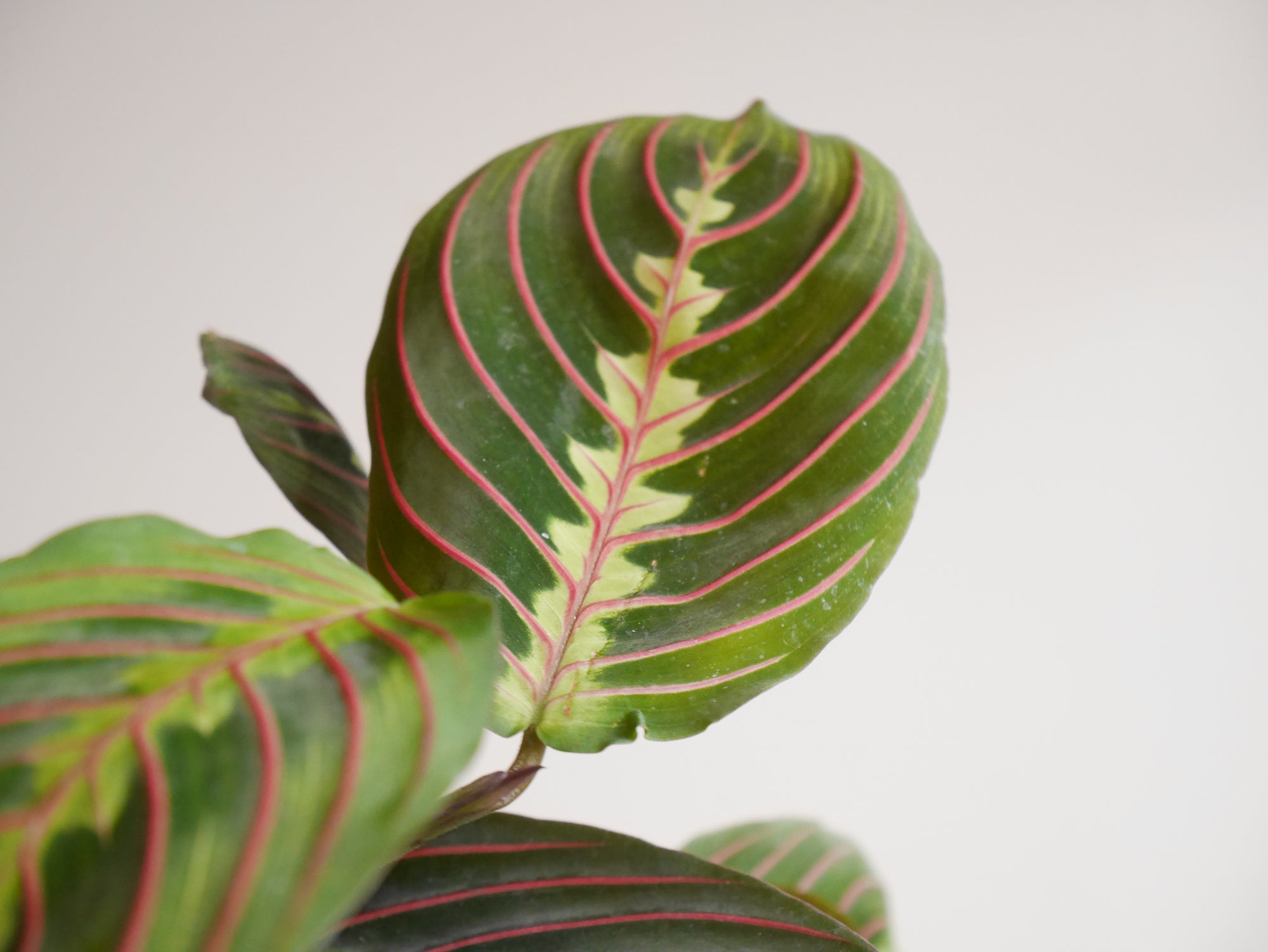
Maranta, also known as prayer plants, are tropical houseplants loved for their colorful and patterned leaves that fold up at night like praying hands. Here are some care tips to help you keep your Maranta healthy:
Lighting
Maranta plants prefer bright, indirect light. Avoid direct sunlight as it can scorch their leaves. Place your Maranta near a window with filtered or diffused light, such as an east or north-facing window. If the leaves start to fade or burn, it may be an indication of too much light, while sparse growth and pale leaves may indicate insufficient light.
Temperature and Humidity
Maranta plants thrive in warm temperatures between 65°F to 85°F). They prefer high humidity, so it's beneficial to provide extra humidity by using a humidifier, placing the plant on a pebble tray filled with water, or grouping it with other plants. Avoid placing Maranta plants near drafts or in areas with temperature fluctuations.
Watering
Keep the soil of your Maranta slightly moist but not waterlogged. They prefer evenly moist soil, but avoid allowing the plant to sit in standing water as it can lead to root rot. Water when the top few inches of the soil feels slightly dry, and ensure that excess water drains out from the bottom of the pot. Adjust the watering frequency based on the temperature and humidity levels in your home.
Soil and Potting
Maranta plants prefer well-draining, peat-based potting mixes. A mixture of peat moss, perlite, and compost or orchid bark works well. Ensure that the pot has drainage holes to prevent waterlogging. Repot your Maranta annually or when it becomes root-bound, using a pot that is slightly larger than the current one.
Fertilization
Feed your Maranta with a balanced houseplant fertilizer every two to four weeks during the growing season (spring and summer). Dilute the fertilizer to half the recommended strength to avoid fertilizer burn. Reduce or stop fertilizing during the winter months when the plant's growth slows down.
Pruning
Prune your Maranta to remove any dead, damaged, or yellowing leaves. This will help maintain the plant's appearance and encourage new growth. Use clean, sharp pruning shears to make clean cuts.
Avoidance of drafts:
Maranta plants are sensitive to drafts, so keep them away from windows, doors, and vents that may expose them to cold drafts or sudden temperature changes.
With proper care, your Maranta plant will thrive and showcase its beautiful foliage. Remember to closely monitor the moisture levels, light conditions, and humidity to ensure the best growing environment for your plant.


